
Comfort foods are more than just delicious. They often carry history, culture, and personal memories. Here are seven surprising origin stories behind well-loved comfort dishes — how they came to be, why they stuck around, and what makes them timeless.

Why “comfort food” matters
Before we get into the stories, let’s pause for a moment: what is comfort food — and why do we crave it?
- Comfort food often triggers nostalgia, familiarity, and emotional relief.
- Many comfort dishes were born in hard times — simple, affordable ingredients and clever cooking.
- When we eat them, we aren’t just eating. We’re reconnecting with place, memory, or family.
- That’s why a warm bowl of mac and cheese or a slice of meatloaf feels like home.
1. The “creeping bean casserole” that became a holiday staple

Story behind it:
In 1955, Dorcas Reilly at Campbell’s Soup Company created a simple casserole using canned green beans, cream of mushroom soup, and crispy fried onions. It was meant for busy families who wanted a quick, comforting meal.
Why it stuck:
- Uses shelf-stable ingredients
- Simple to prepare
- Combines creamy and crunchy textures
- Became tied to Thanksgiving traditions
If you enjoy this classic, you’ll also love our Crack Green Beans Recipe — another quick comfort side dish.
2. The humble meatloaf that rose in the Great Depression

Story behind it:
While meatloaf traces back to Europe, it became a true American staple during the Great Depression. Families stretched ground meat with bread, oats, or vegetables to make hearty meals that fed everyone.
Why it stuck:
- Affordable and flexible
- Easy to shape, slice, and store
- Family-friendly flavor and texture
For a classic twist, try our Lipton Onion Soup Meatloaf Recipe — a reader favorite that’s moist, flavorful, and simple to make.
3. The chocolate chip cookie — a sweet accident
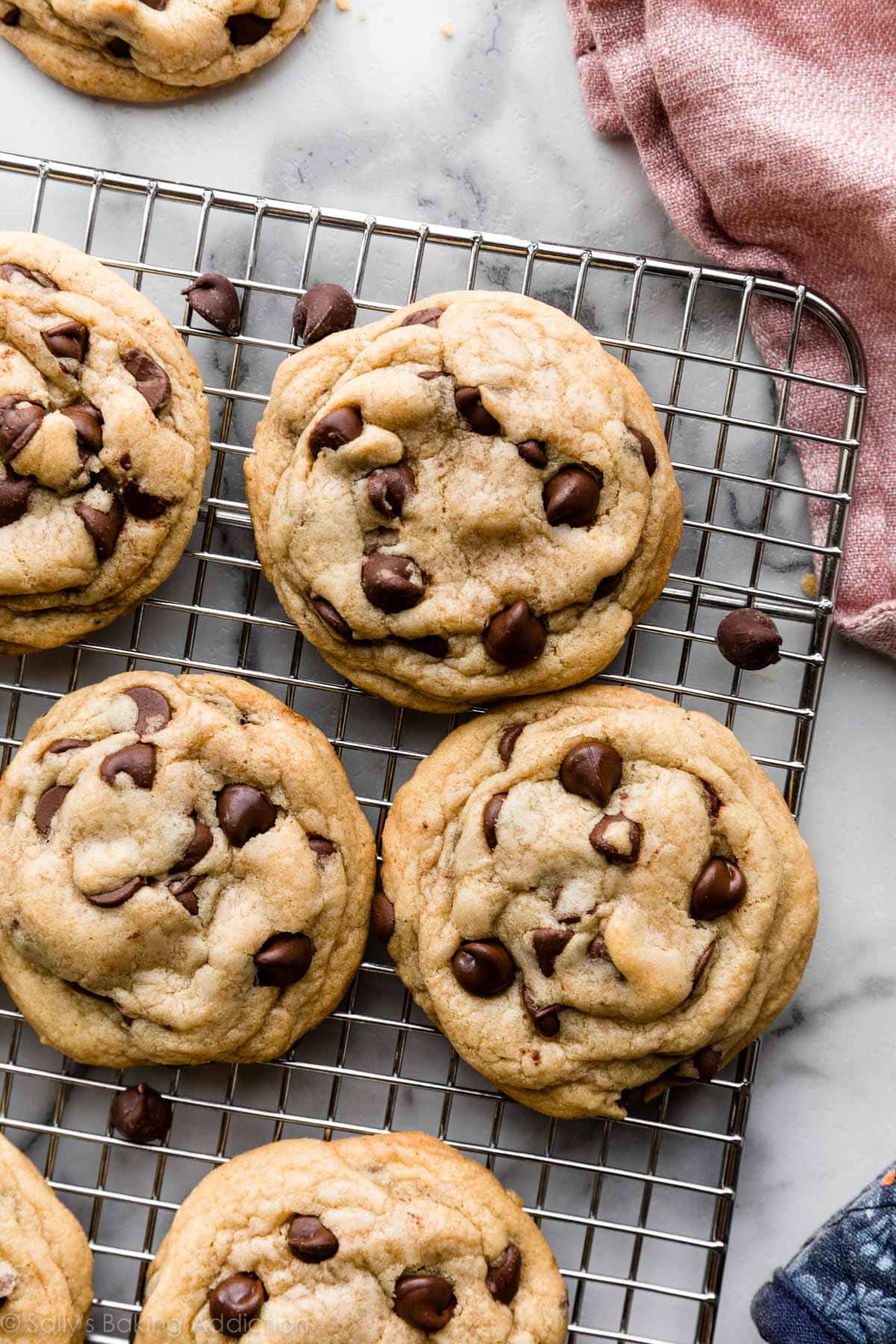
Story behind it:
Ruth Wakefield invented the chocolate chip cookie at her Toll House Inn in 1938 when she ran out of baker’s chocolate. She chopped up a chocolate bar expecting it to melt evenly. Instead, the chunks held their shape — and the most beloved cookie in America was born.
Why it stuck:
- Simple ingredients and quick baking time
- Perfectly sweet and comforting
- Easy to share with family and friends
Warm cookies from the oven paired with milk remain one of the most soothing comfort foods around.
4. The macaroni and cheese story: simplicity wins

Story behind it:
Macaroni and cheese came to America through European immigrants and rose to fame in the 20th century. With pasta and cheese being affordable and filling, it became a staple in homes everywhere.
Why it stuck:
- Simple, budget-friendly ingredients
- Easy to bake for a crowd
- Tied to childhood meals and holidays
Craving a rich, Southern-style version? Check out our Southern Mac and Cheese Recipe.
5. The tomato soup cake that came from thrift
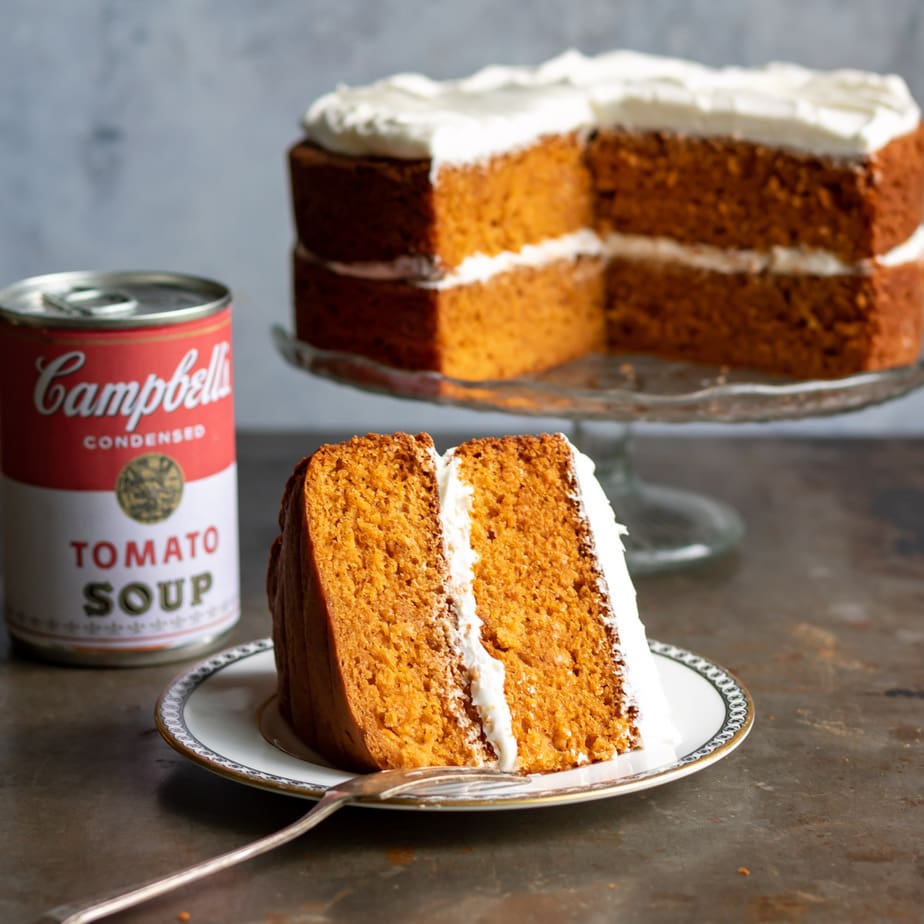
Story behind it:
During wartime rationing, home cooks used canned tomato soup to make moist spice cakes without milk or eggs. It sounds strange, but the flavor works — warm spices with a touch of tang.
Why it stuck:
- Made from pantry staples
- Moist, rich texture
- Represents creativity in hard times
This vintage recipe reminds us that comfort can come from ingenuity.
6. The immigrant-born dish that became local comfort

Story behind it:
Goetta, a Cincinnati favorite, was created by German immigrants who combined ground pork, beef, and oats to stretch meat further. Over time, it became a regional breakfast classic.
Why it stuck:
- Reflects immigrant adaptation and thrift
- Fills and warms during cold mornings
- Symbolizes local culture and family traditions
Comfort foods like this show how regional dishes shape national taste.
7. The dessert that keeps tradition alive
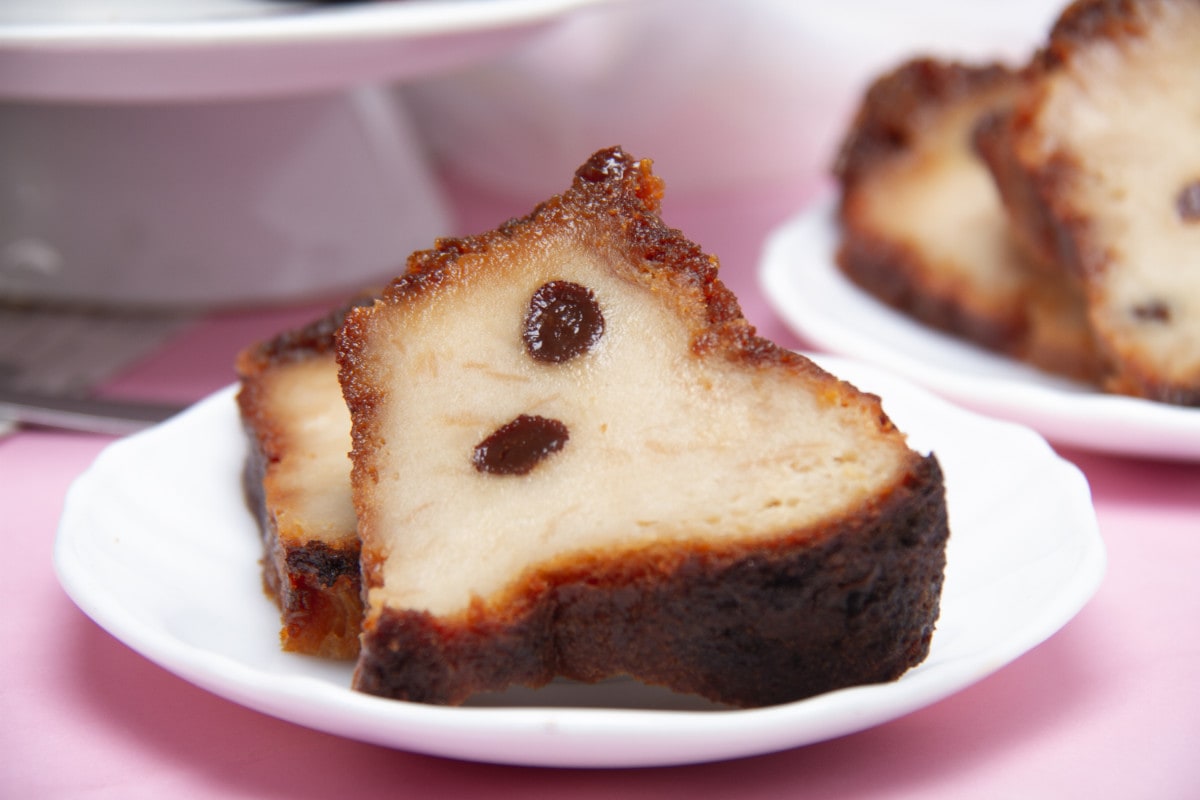
Story behind it:
Ranfañote, a Peruvian bread pudding with nuts and fruit, comes from Afro-Peruvian heritage. It was made from leftover bread, spices, and sugar syrup — turning scraps into something special.
Why it stuck:
- Deeply tied to culture and memory
- A reminder that comfort often comes from resourcefulness
- Sweet, warm, and easy to adapt
What to take away
Comfort foods are more than meals — they’re stories.
They connect us through:
- History and heritage
- Resourcefulness in hard times
- Family and shared tables
- Memories that never fade
Every comfort dish tells a story worth keeping.
Tips for making your own comfort classics
- Keep ingredients simple and familiar.
- Use recipes as a base, not a rulebook.
- Share meals with others — it’s what makes them “comforting.”
- Save leftovers; many dishes taste better the next day.
For more inspiration, try:
- Honey Sriracha Brussels Sprouts
- 10 Vegetable Soup Recipes
- Soft Tofu Recipes with Rice
- Canned Green Bean Recipes
- Smash Burger Sauce Recipe
Variations & substitutions
- Vegetarian meatloaf: Use lentils or mushrooms instead of meat.
- Mac and cheese: Try mozzarella or Gruyère for a different flavor.
- Tomato soup cake: Substitute tomato paste and milk if you don’t have canned soup.
- Goetta: Use quinoa flakes for a gluten-free version.
- Bread puddings: Add dried fruits or nuts for extra richness.
Storage & make-ahead tips
- Casseroles: Assemble ahead, cover, and refrigerate 24 hours before baking.
- Meatloaf: Freeze slices individually for quick dinners.
- Cookies: Refrigerate dough up to three days before baking.
- Bread puddings: Refrigerate and reheat gently in the oven.
Serving suggestions
- Green Bean Casserole → Serve with roasted chicken or turkey.
- Meatloaf → Pair with mashed potatoes or green beans.
- Chocolate Chip Cookies → Serve warm with milk or coffee.
- Mac and Cheese → Add a green salad to balance the richness.
- Tomato Soup Cake → Serve with vanilla ice cream.
- Goetta → Crisp in a pan and serve with eggs for brunch.
- Bread Pudding → Top with whipped cream or drizzle of syrup.

Leave a Reply