
Food is more than flavour. When you cook a traditional recipe, you cook history, memory, place. I still remember the day my grandmother rolled out dough for her special dish. The kitchen filled with stories of her childhood, of her mother’s hands, of a land she left behind. That moment made me realise: each recipe is a cultural map.
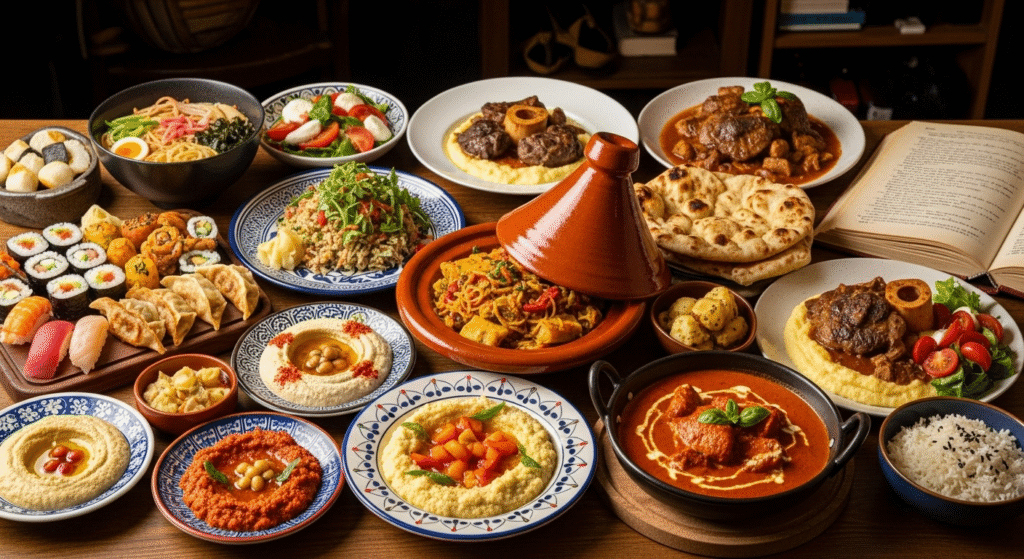
Why Traditional Recipes Matter
Many blogs and food writers show that traditional dishes are carriers of identity. Tchai Walla+3Medium+3iyeherstories.com+3
Some of the key ideas:
- They preserve memory and heritage, not just ingredients. Medium+1
- They reflect region, climate, local materials and culture.
- Each time you cook it, you connect with the past.
- They raise questions: What did my great-grandmother cook? What was the world like then?
Key Themes & NLP Terms
- Traditional recipes, cultural story, heritage cuisine
- Regional variation, family recipe, passed-down, memory
- Ingredients from place, cooking method, community table
- What does dish mean, what the story behind dish, how to keep tradition
Common Reader Questions (“People Also Ask”)
- What makes a recipe traditional?
- How can I tell the story behind a dish?
- Can I adapt a traditional recipe without losing its meaning?
- What are good storage or make-ahead tips for heritage dishes?
- Which ingredients can I substitute if I can’t find the original?
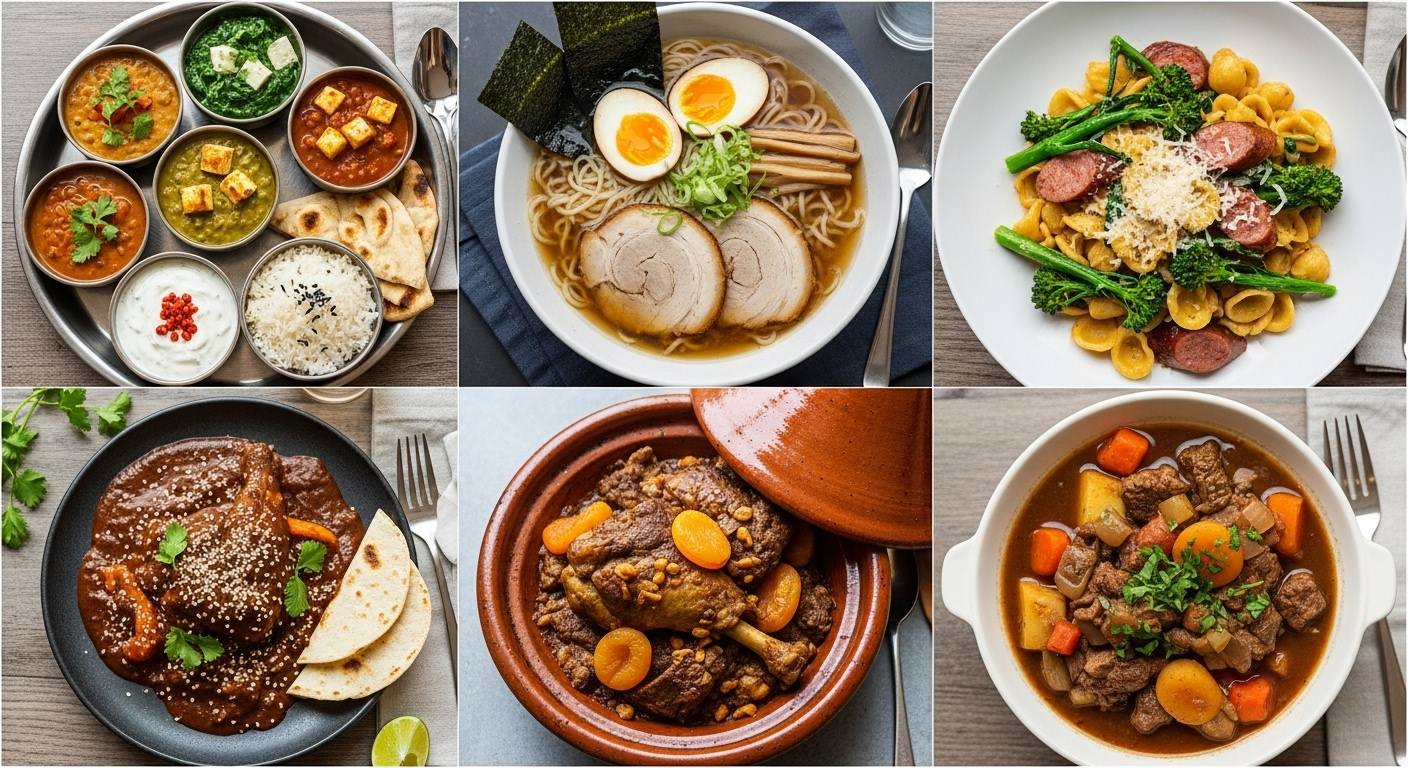
With these questions in mind, each recipe below will include the story, the dish, and practical steps.
1. Moroccan Tagine with Preserved Lemons – A North African Family Table
Prep time: 15 min
Cook time: 1 h 30 min
Total time: 1 h 45 min
Servings: 4
Story
In Morocco, families gather around the tagine. The slow-cooked dish of meat or vegetables in a conical clay pot was made to bring warmth after long days. The preserved lemons and olives evoke sun, salt, and an old world trade route.
Ingredients (in order)
- 2 lbs (≈900 g) lamb shoulder, cut into chunks
- 2 tbsp olive oil
- 1 large onion, diced
- 3 garlic cloves, minced
- 1 tsp ground ginger
- 1 tsp ground cinnamon
- ½ tsp saffron threads (soaked in 2 tbsp warm water)
- 1 preserved lemon, pulp removed, rind sliced
- 1 cup green olives, pitted
- 2 cups chicken or lamb stock
- 1 carrot, cut into large chunks
- Fresh cilantro or parsley for garnish
- Salt and pepper to taste
Instructions
- In a large heavy pot or tagine, heat olive oil over medium-high.
- Add lamb chunks, brown on all sides (~8 min). Remove and set aside.
- In same pot, add onion and garlic, cook till soft (~5 min).
- Stir in ginger, cinnamon, saffron water. Cook 1 min.
- Return lamb to pot, add preserved lemon rind, olives, carrot.
- Pour in stock so meat is nearly covered. Season with salt/pepper.
- Bring to a simmer; then reduce heat to low, cover, cook ~1 h 20 min until lamb is tender.
- Garnish with chopped cilantro/parsley. Serve with couscous or flatbread.
Substitutions & Variations
- Substitute chicken for lamb (reduce cook time to ~50 min).
- If no preserved lemon, use zest of 1 lemon + 1 tbsp lemon juice.
- Add dried apricots for sweet variation.
Storage & Make-Ahead Tips
- Make a day ahead: flavour improves after resting overnight.
- Store in refrigerator in airtight container up to 3 days.
- Freeze in portions up to 3 months; thaw overnight in fridge.
- Reheat gently on stovetop; add bit of stock if dry.
Serving Suggestions
- Serve with couscous, steamed rice or crusty bread.
- Pair with a simple salad (cucumber, tomato, mint) for freshness.
2. Italian Minestrone Primavera – From Community Kitchen to Home Bowl
Prep time: 10 min
Cook time: 35 min
Total time: 45 min
Servings: 6
Story
In Italy’s villages, minestrone was a way to use what was fresh—beans, vegetables, leftover bread. It carried the rhythms of seasons and community kitchens.
Ingredients
- 2 tbsp olive oil
- 1 onion, chopped
- 2 garlic cloves, sliced
- 2 celery stalks, diced
- 2 carrots, diced
- 1 zucchini, diced
- 1 red pepper, diced
- 1 can (14 oz) diced tomatoes
- 4 cups vegetable stock
- 1 cup cannellini beans, drained
- ½ cup small pasta (e.g., ditalini)
- 1 cup chopped kale or spinach
- Salt and pepper to taste
- Grated Parmesan (optional)
Instructions
- Heat olive oil in large pot; sauté onion and garlic ~2 min.
- Add celery, carrots; cook ~4 min until softened.
- Add zucchini, red pepper; cook ~2 min.
- Stir in diced tomatoes and stock; bring to a boil.
- Add beans and pasta; reduce to simmer ~12 min until pasta tender.
- Stir in kale/spinach; cook ~2 min. Season with salt/pepper.
- Serve hot; top with Parmesan if using.
Substitutions & Variations
- Use gluten-free or whole-grain pasta.
- Replace kale with Swiss chard or collard greens.
- Add a splash of balsamic vinegar for acidity.
Storage & Make-Ahead Tips
- Make ahead: store soup and pasta separately; stir together when reheating to avoid soggy pasta.
- Refrigerate up to 4 days; freeze up to 2 months.
- Reheat gently; add water or stock if too thick.
Serving Suggestions
- Serve with crusty bread or garlic bread.
- A fresh herb garnish (basil or parsley) adds brightness.
3. Pakistani Saag with Makki Roti – A Punjabi Winter Ritual
Prep time: 10 min
Cook time: 40 min
Total time: 50 min
Servings: 4
Story
In the Punjab region (now in Pakistan and India), farmers harvested corn (makki) and mustard greens (sarson) in winter. Saag and makki roti became a ritual to share warmth and sustenance.
Ingredients
- 1 kg mustard greens, washed and chopped
- 2 cups spinach, chopped
- 2 tbsp ghee or vegetable oil
- 1 onion, finely chopped
- 2 garlic cloves, minced
- 1 inch ginger, minced
- 1 green chilli, chopped
- ½ cup cornmeal (for makki roti) — separate recipe
- 1 tsp garam masala
- Salt to taste
Instructions
- In heavy pan, heat ghee; sauté onion till golden (~3 min).
- Add garlic, ginger, green chilli; cook 1 min.
- Add mustard greens and spinach; stir for 2 min.
- Add little water (¼ cup), cover and simmer ~25 min until greens are soft.
- Use hand blender or masher to make coarse paste.
- Stir in garam masala and salt; simmer 5 min.
- Serve with hot makki roti (corn flatbread).
Substitutions & Variations
- Use kale + spinach if mustard greens unavailable.
- Replace ghee with olive oil for lighter version.
- Add chopped paneer on top for richness.
Storage & Make-Ahead Tips
- Store saag separately from roti.
- Refrigerate saag up to 3 days; freeze up to 2 months.
- Reheat gently; add splash of water to loosen.
Serving Suggestions
- Serve with makki roti and a dollop of fresh butter.
- A side of pickled carrots or onions adds contrast.
4. Japanese Ochazuke – Tea-Spoonfuls of Memory
Prep time: 5 min
Cook time: 5 min
Total time: 10 min
Servings: 2
Story
In Japan, ochazuke (tea poured over rice) is comfort food. It often uses leftovers but carries a quiet moment: sitting down after a day’s work, remembering home, remembering simplicity.
Ingredients
- 2 cups cooked short-grain rice
- 1 cup green tea, hot
- 2 tbsp pickled plum (umeboshi), chopped
- 2 tbsp nori strips
- 2 tbsp toasted sesame seeds
- 1 tsp soy sauce
- Optional: flaked salmon or grilled fish
Instructions
- Portion cooked rice into two bowls.
- Top each with chopped umeboshi, nori strips, sesame seeds.
- Add flaked salmon if using.
- Pour hot green tea over until rice is just covered.
- Drizzle soy sauce; stir slightly and serve immediately.
Substitutions & Variations
- Replace green tea with dashi stock for deeper flavour.
- Use other pickles (tsukemono) if umeboshi unavailable.
- Add wasabi or scallions for extra zest.
Storage & Make-Ahead Tips
- Best eaten fresh; leftovers lose texture.
- Prepare all toppings ahead and keep chilled; rice and tea fresh when serving.
Serving Suggestions
- Serve with a small side of steamed vegetables or miso soup.
- Use a ceramic bowl to hold warmth and ritual.
5. Mexican Tamales Verdes – Wrapped History in Corn Husk
Prep time: 30 min
Cook time: 1 h 30 min
Total time: 2 h
Servings: 8 tamales
Story
Tamales date back centuries in Mexico. Corn husk wrapping symbolises harvest, community, sharing. Families still gather to assemble dozens of tamales — hands, stories, laughter all part of the dish.
Ingredients
- 3 cups masa harina
- 1 cup chicken broth
- ½ cup lard or vegetable shortening
- 1 tsp baking powder
- ½ tsp salt
- 2 cups shredded cooked chicken
- 1 cup salsa verde
- 24 corn husks, soaked in warm water 30 min
Instructions
- Drain soaked husks and pat dry.
- In large bowl mix masa harina, broth, baking powder and salt.
- Beat in lard until dough is light and fluffy.
- Spread ~2 tbsp dough onto centre of corn husk.
- Top with ~1 tbsp shredded chicken and ~1 tbsp salsa verde.
- Fold sides of husk over, then the bottom up; secure if needed.
- Arrange tamales upright in steamer; steam ~1 h 30 min or until dough pulls away easily from husk.
- Let sit 5 min, then serve.
Substitutions & Variations
- Use pork or vegetarian filling (beans + cheese).
- Salsa roja instead of salsa verde.
- Use banana leaves for wrapping (southern Mexico style).
Storage & Make-Ahead Tips
- Tamales freeze well: cool, then freeze in airtight bags up to 2 months.
- Reheat by steaming 15 min from frozen.
- Can prepare dough and filling ahead; assemble on day of cooking.
Serving Suggestions
- Serve with extra salsa, sour cream and fresh cilantro.
- Good with Mexican rice and beans for full meal.
6. West African Jollof Rice – A Celebration in One Pan
Prep time: 10 min
Cook time: 40 min
Total time: 50 min
Servings: 4
Story
In West Africa, jollof rice is a celebration dish. Whether for birthdays or family meals, the rice cooked in rich tomato base, spices, and sometimes smoked fish tells of gatherings, of community, of joy.
Ingredients
- 2 cups long grain rice, rinsed
- 3 tbsp vegetable oil
- 1 onion, chopped
- 2 garlic cloves, minced
- 1 red bell pepper, chopped
- 1 can (14 oz) diced tomatoes
- 2 tbsp tomato paste
- 4 cups chicken or vegetable stock
- 1 tsp thyme
- 1 tsp curry powder
- 1 bay leaf
- Salt & pepper
- Optional: cooked chicken or shrimp
Instructions
- Heat oil in large pot; sauté onion and garlic ~3 min.
- Add red bell pepper; cook ~2 min.
- Stir in diced tomatoes and tomato paste; cook ~5 min.
- Add rice, thyme, curry powder, bay leaf; mix well.
- Pour in stock; season with salt/pepper. Bring to boil.
- Lower heat, cover, simmer ~20 min until rice tender and liquid absorbed.
- If using chicken/shrimp, stir in cooked protein last ~5 min.
- Fluff rice with fork, serve.
Substitutions & Variations
- Use basmati rice or brown rice (adjust cook time).
- Add vegetables like peas or carrots for colour.
- Make it vegetarian: use vegetable stock + tofu.
Storage & Make-Ahead Tips
- Store cooled rice in airtight container up to 3 days.
- Freeze portions up to 2 months.
- Reheat with splash of water in microwave or stovetop.
Serving Suggestions
- Serve with side salad or plantains.
- A fresh sliced cucumber adds cooling contrast to spice.
7. Greek Spanakopita – Layers of Tradition and Spinach
Prep time: 20 min
Cook time: 45 min
Total time: 1 h 5 min
Servings: 6 slices
Story
In Greece, spanakopita (spinach-cheese filo pie) is part of Sunday lunches and holiday tables. The layers of filo represent layers of memory: family, kitchen, sharing.
Ingredients
- 1 package filo pastry, thawed
- 2 tbsp olive oil
- 1 onion, chopped
- 3 garlic cloves, minced
- 1 kg spinach, washed and chopped
- 200 g feta cheese, crumbled
- 2 eggs, beaten
- ¼ cup fresh dill, chopped
- Salt & pepper
- 2 tbsp melted butter
Instructions
- Preheat oven to 375 °F (190 °C).
- In skillet heat olive oil; sauté onion and garlic ~3 min.
- Add spinach; cook ~5 min until wilted. Let cool slightly.
- In bowl mix spinach mixture, feta, eggs, dill, salt/pepper.
- Brush baking dish with melted butter. Layer half the filo sheets, brushing each sheet with butter.
- Spread filling evenly. Layer remaining filo sheets on top, brushing each with butter.
- Score top layer lightly into squares. Bake ~45 min until golden and crisp.
- Let rest 10 min, then cut and serve.
Substitutions & Variations
- Use Swiss chard or kale instead of spinach.
- Add grated mozzarella for extra melt.
- Make mini spanakopitas by folding filo into triangles.
Storage & Make-Ahead Tips
- Store at room temperature (covered) up to 1 day; refrigerate up to 3 days.
- Reheat in oven at 350 °F (~175 °C) for ~10 min to restore crispness.
- Make ahead: assemble night before; bake next day.
Serving Suggestions
- Serve with Greek yoghurt or tzatziki.
- A light green salad with lemon vinaigrette pairs well.
Tips for All These Recipes
- Use fresh, high-quality ingredients—the story lies in flavour.
- Respect cooking times; many heritage dishes rely on slow cooking or layered technique.
- Take a moment before serving: think of the people, place or memory behind the dish.
- Encourage others to share the story: ask family for the tale behind their version.
Substitution Ideas, Storage, and Make-Ahead Summary
- Substitutions: Swap proteins, greens or pastry types depending on availability and dietary needs.
- Storage: Most dishes store well refrigerated 2-4 days; freeze where noted and reheat gently.
- Make-ahead: Prepare key elements (dough, sauce, filling) ahead; final assembly or reheating just before serving maintains quality.
- Serving: Pair dishes with a side that complements texture or temperature (e.g., fresh salad, bread, yoghurt).
Final Thoughts
Each of these seven recipes carries more than flavour. They carry memory, geography, culture, family. By cooking them, you honour stories. I hope your kitchen becomes a place where you pause to remember the past and taste that memory in every bite.

Leave a Reply