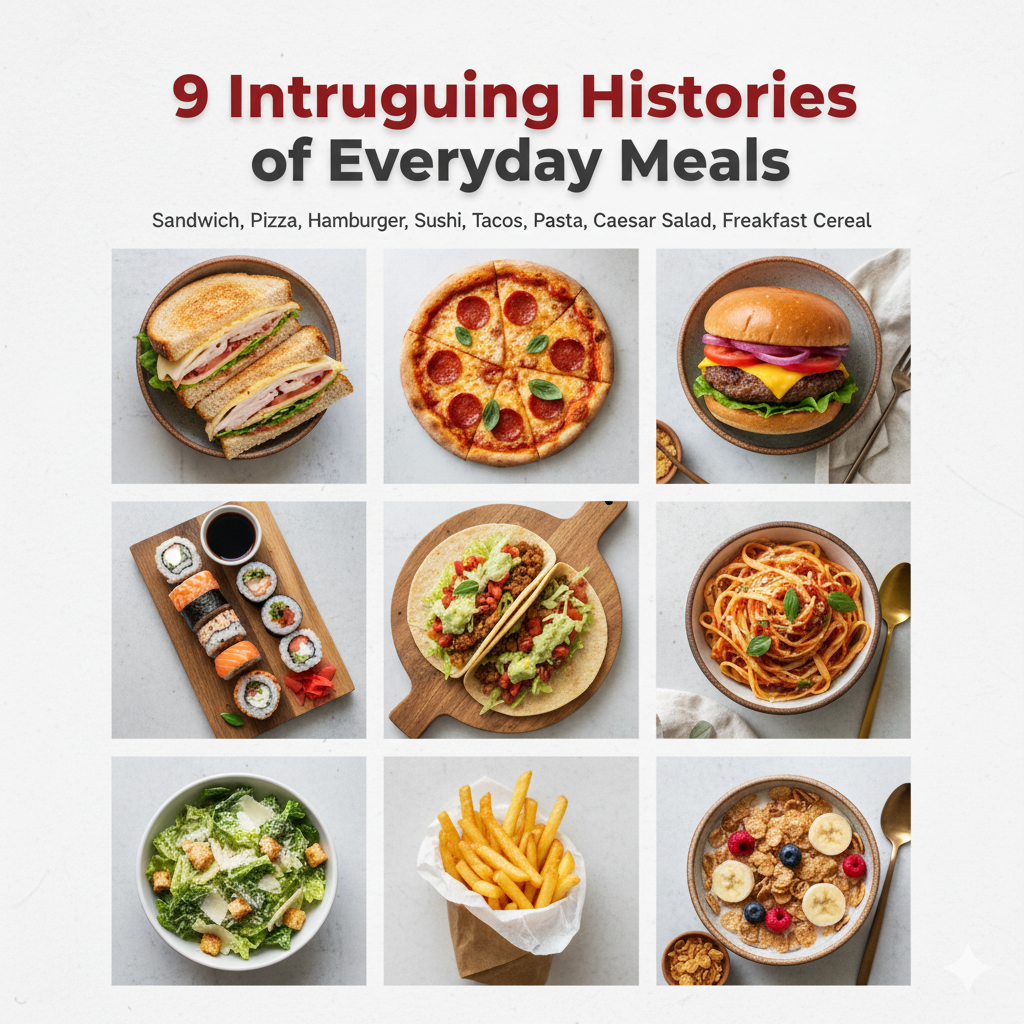
Many common dishes have roots that span centuries and cultures. These stories show how simple foods became staples. Below are nine examples with their origins and key developments.
The History of the Sandwich
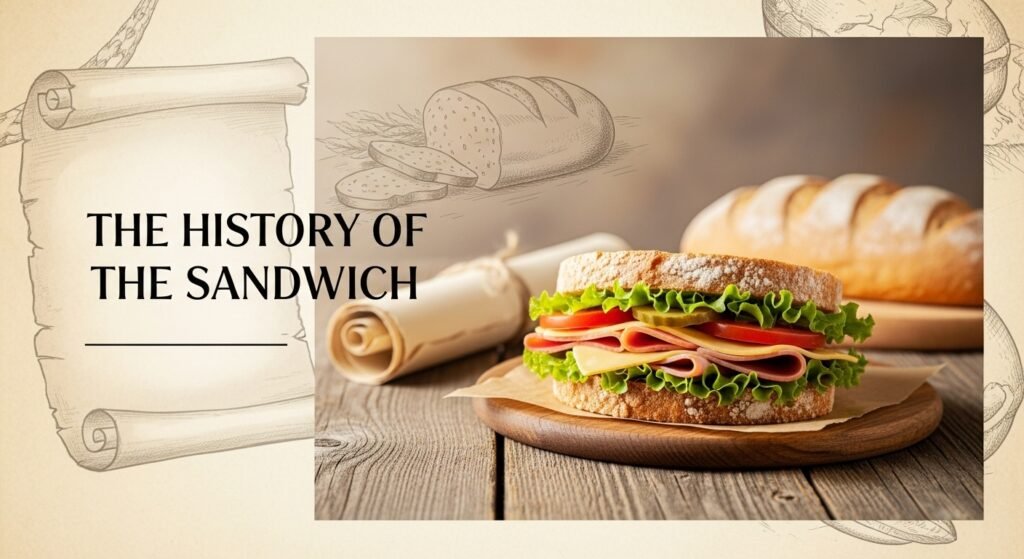
The sandwich traces back to ancient times. People in the Mediterranean region wrapped fillings in flatbreads long ago. Hillel the Elder, a Jewish scholar in the first century BCE, made a version with herbs and nuts between matzah during Passover.
In 1762, John Montagu, the 4th Earl of Sandwich, asked for meat between bread slices. He wanted to eat without leaving his card game. This act gave the dish its name. Sandwiches spread across Europe and reached America by the early 1800s.
Today, sandwiches come in many forms. From subs to clubs, they suit quick meals. Try one with fresh bread and local meats for a classic taste.
The History of Pizza
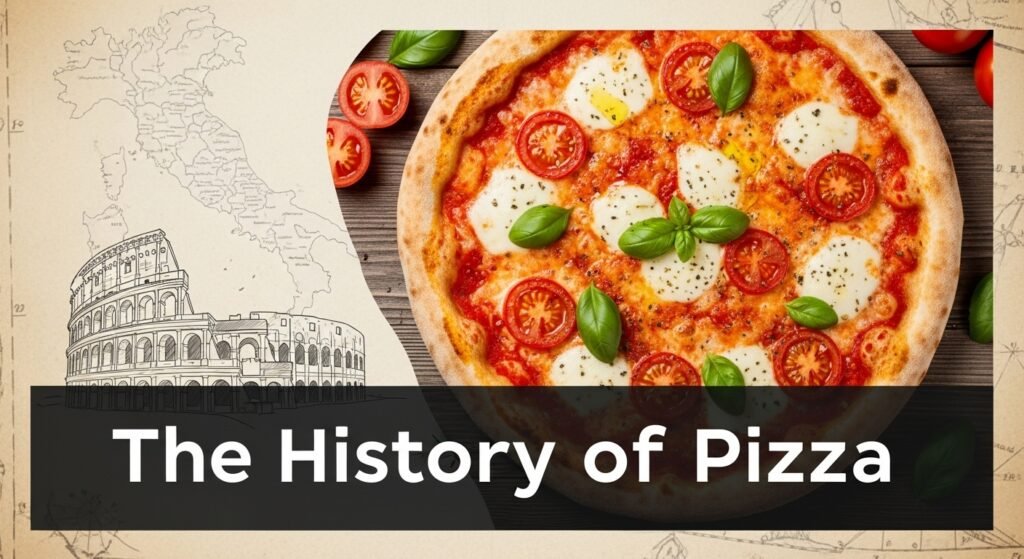
Pizza started as flatbreads with toppings in ancient Egypt, Greece, and Rome. The Greeks topped theirs with herbs and oil, like focaccia.
Modern pizza began in Naples, Italy, in the late 1700s. Poor workers added tomatoes to flatbreads. In 1889, Raffaele Esposito made a pizza for Queen Margherita with tomatoes, mozzarella, and basil. It matched Italy’s flag colors.
Italian immigrants brought pizza to America around 1900. The first U.S. pizzeria opened in New York in 1905. Now, pizza varies worldwide, from thin crust to deep dish.
Make your own with dough, sauce, cheese, and toppings. Bake at high heat for crisp results.
Here Easy 20-Min Mongolian Beef Noodles
The History of the Hamburger
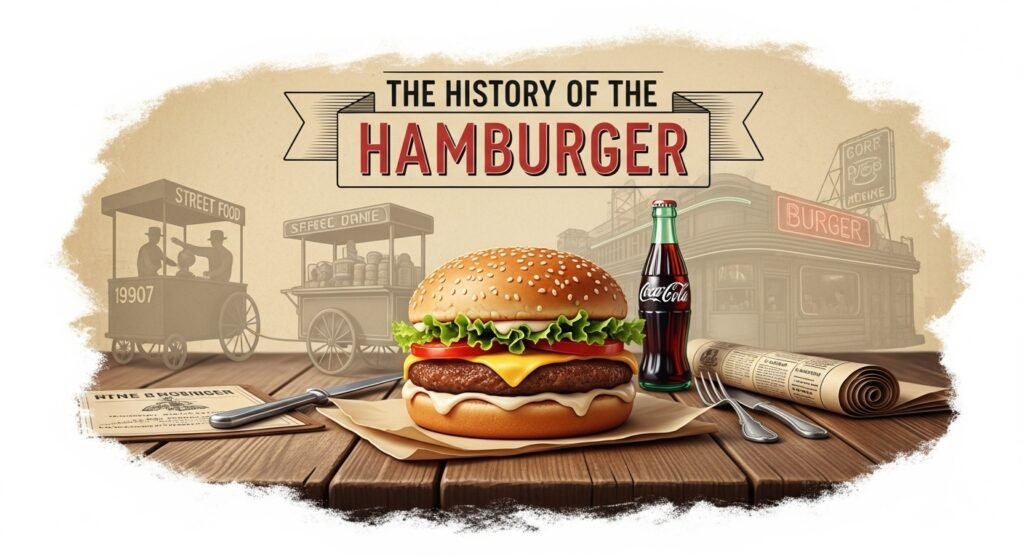
Hamburgers draw from ground meat patties eaten by Mongols in the 1200s. Riders tenderized meat under saddles.
In the 1800s, German immigrants brought Hamburg-style beef to America. Vendors sold patties at fairs. In 1885, brothers Frank and Charles Menches may have put one between bread at a New York fair.
The modern burger grew in the 1920s with chains like White Castle. They sold small, affordable patties. Today, burgers feature beef, veggies, or plant-based options.
Grill a patty medium-rare. Add cheese and buns for a basic version.
The History of Sushi
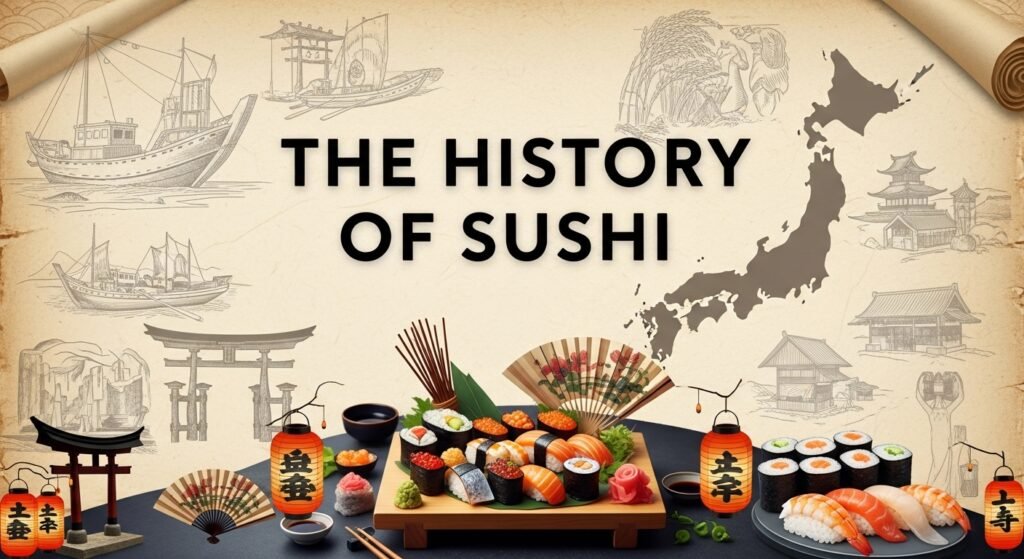
Sushi began in Southeast Asia around the 5th to 3rd century BCE. People preserved fish in fermented rice.
It reached Japan by the 8th century. Early forms used rice to ferment fish, then discarded it. In the 1400s, shorter fermentation let people eat the rice too.
Hanaya Yohei created nigiri sushi in the 1820s. He placed raw fish on vinegared rice. Sushi spread globally after World War II.
Use fresh fish and sticky rice. Roll with nori for maki or top rice for nigiri.
The History of Tacos
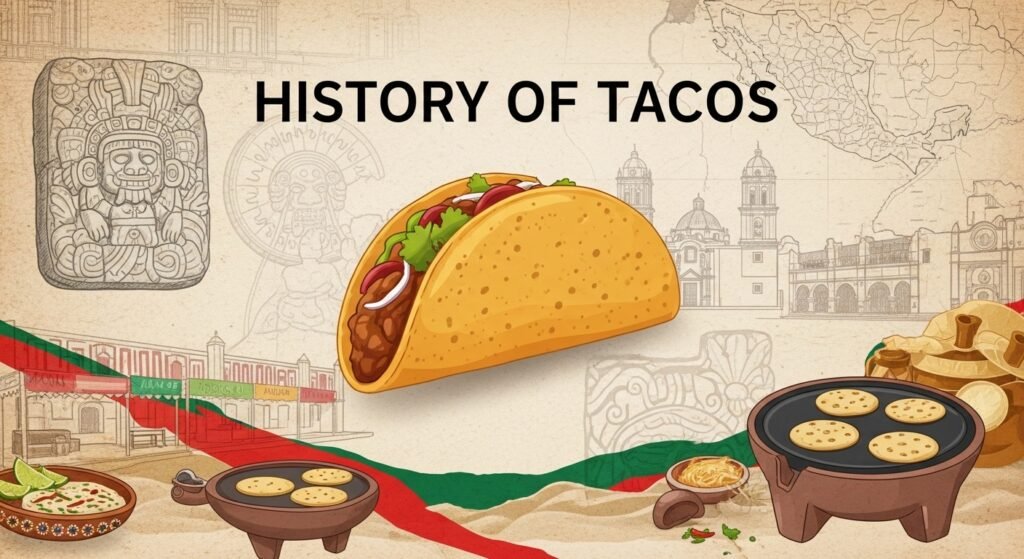
Tacos have roots in Mexico before Spanish arrival. Indigenous people used corn tortillas to hold fillings like fish.
The word “taco” appeared in the 1800s, linked to silver mines. Miners wrapped gunpowder in paper like food wraps.
Migrants brought tacos to cities in the early 1900s. They sold them from stands. Tacos reached the U.S. with immigrants.
Fill soft tortillas with meat, beans, or veggies. Top with salsa and lime.
The History of Pasta
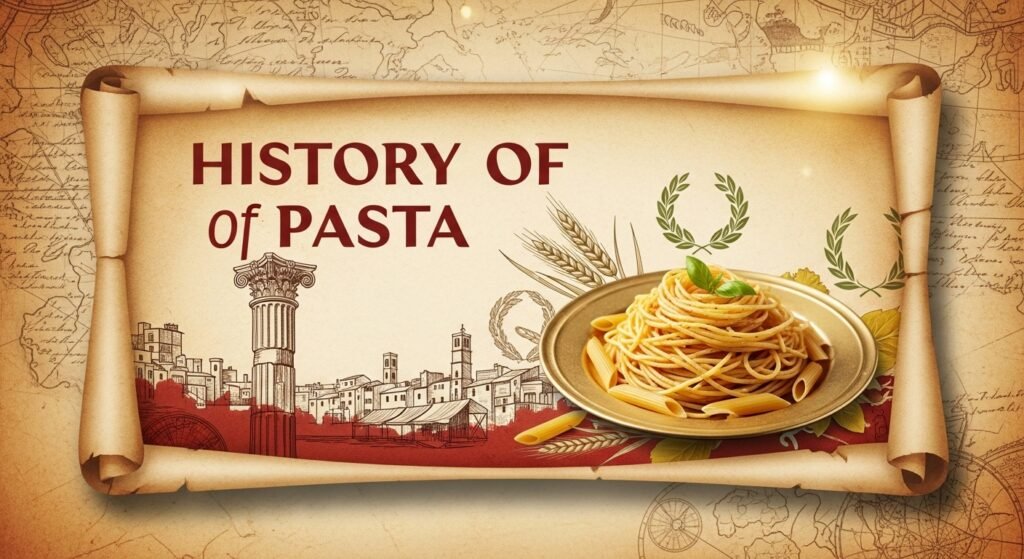
Pasta dates to ancient China around 2000 BCE with noodle-like foods. Arabs brought dried pasta to Sicily in the 800s.
Italians refined pasta in the Middle Ages. They made shapes like spaghetti. Thomas Jefferson brought a pasta machine to America in 1789.
Pasta boomed with factories in the 1800s. Now, it’s global with wheat or alternatives.
Boil in salted water. Drain and sauce for a quick meal.
The History of Caesar Salad
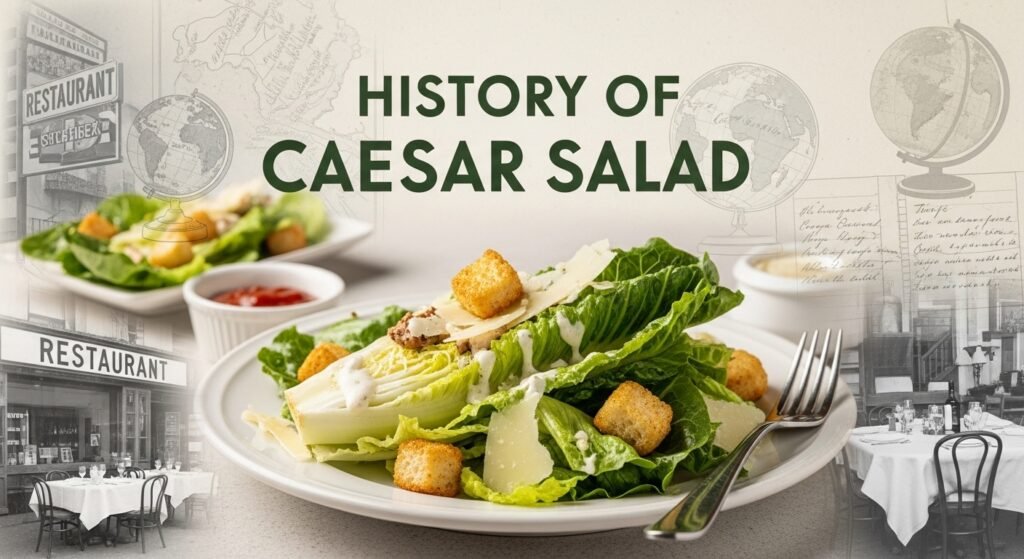
Caesar salad started in Tijuana, Mexico, in 1924. Caesar Cardini made it during a busy Fourth of July rush.
He used romaine lettuce, garlic, croutons, Parmesan, egg, oil, and Worcestershire sauce. His brother Alex added anchovies later.
Julia Child ate it in the 1920s. It spread to U.S. restaurants by the 1940s.
Toss leaves with dressing. Add cheese and croutons for crunch.
The History of French Fries
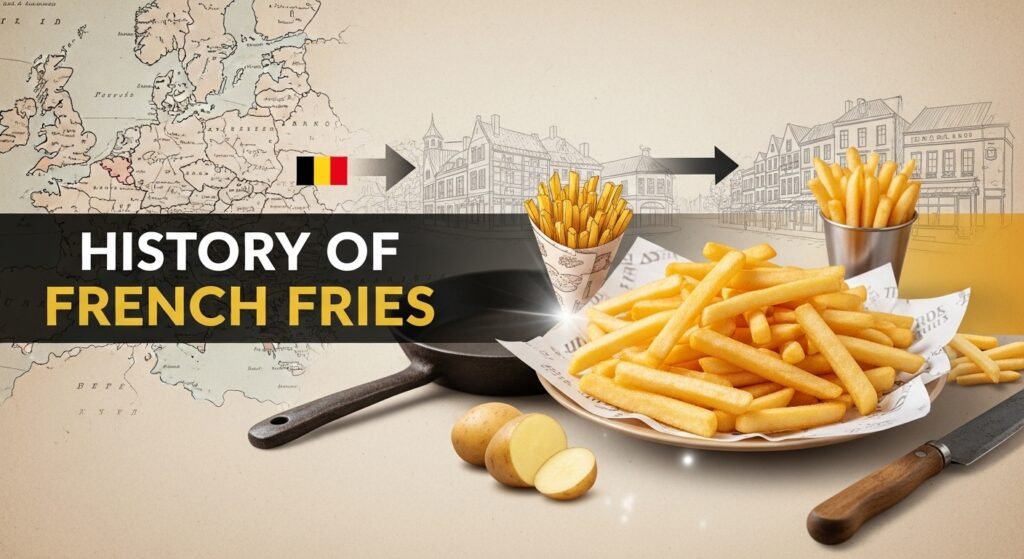
French fries likely began in Belgium in the 1600s. Villagers fried potatoes when rivers froze and fish were scarce.
Thomas Jefferson served them in America in 1802. He called them “potatoes served in the French manner.”
Soldiers in World War I named them after French-speaking Belgians. Chains popularized them in the 1900s.
Cut potatoes into strips. Fry twice for crisp outsides.
The History of Breakfast Cereal
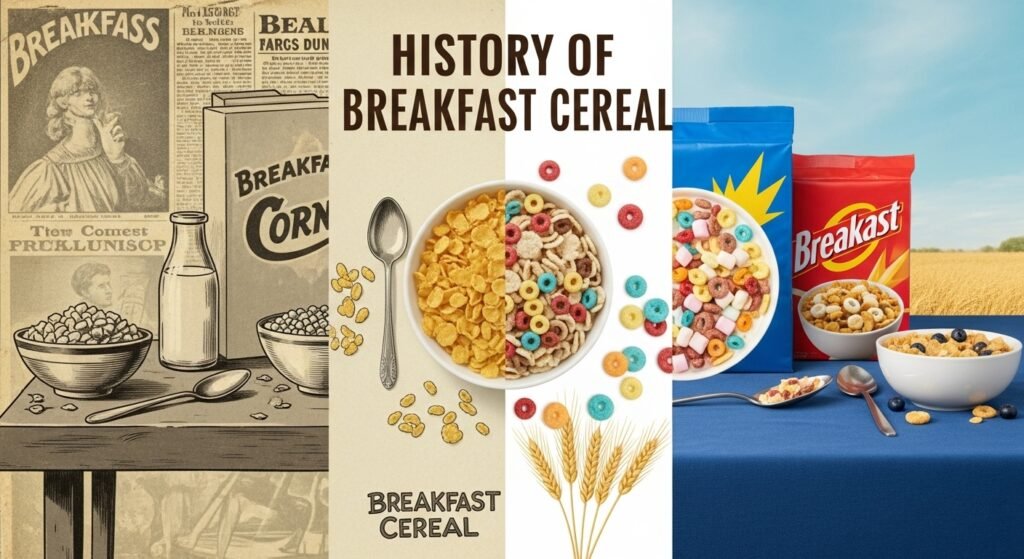
Cereal started in 1863 with James Jackson’s Granula. It was hard baked graham flour soaked in milk.
John Kellogg made flakes in the 1890s at his sanitarium. His brother Will added sugar for Corn Flakes in 1906.
Cereals grew with marketing in the 1920s. Sugary types targeted kids by the 1950s.
Pour milk over flakes. Add fruit for extra flavor.
These meals show how food evolves. Each has crossed borders and changed over time. Next time you eat one, think of its path to your plate.