Discover eight fascinating facts about some of the world’s most beloved desserts — where they came from, how they evolved, and why they’re still favorites today.
Why This Matters
Desserts do more than taste good. They carry stories of trade, culture, and change. The word dessert comes from the French desservir, meaning “to clear the table.” Early desserts were simple — fruits, nuts, and honey — and were often served after a meal to cleanse the palate.
Key Questions Readers Often Ask
- When did people start making desserts?
- Which countries created popular sweets?
- How did sugar change dessert culture?
- What are little-known facts about familiar desserts?
These eight facts answer those questions while showing how desserts became part of our shared food history.
1. The Term “Dessert” Has Medieval Roots
In medieval Europe, sweets followed the main course as a special treat. The word dessert meant to clear the table before serving something light and sweet. At the time, sugar was rare, so dried fruit and honey were common sweeteners.
Takeaway: Dessert was once a cultural ritual, not just a dish.
2. Sugar Once Symbolized Wealth and Medicine
Sugar used to be a luxury. In early Europe, it was treated like a spice or even a form of medicine. Apothecaries mixed it with herbs to “balance the humors” or help digestion.
What Changed: As trade expanded and sugar became cheaper, sweet dishes spread to every home — and dessert became an everyday joy.
3. Many Classic Desserts Were Born From Cultural Exchange
Desserts traveled along with merchants and explorers. For example:
- Baklava traces its layers of pastry and nuts to the Ottoman Empire.
- Croissants began as the Austrian kipferl before becoming a French staple.
- Gulab Jamun in India was inspired by Persian milk-based sweets.
Takeaway: Each dessert carries the influence of trade, travel, and shared techniques across continents.
4. Some Desserts Came From “Happy Accidents”
Not all famous desserts were planned.
- Washington Pie, a 19th-century American sponge cake with jam, evolved into what we now call a cream-filled cake.
- The first doughnuts, known as “oily cakes,” were simple fried dough balls — later reshaped with a hole in the middle for even cooking.
Takeaway: Many classic desserts were created through improvisation, thrift, or mistake.
5. Some Desserts Date Back to Ancient Times
Milk puddings like Mahalabiya were enjoyed in ancient Persia and are still served across the Middle East today.
In 17th-century England, the first recorded sponge cakes were beaten by hand for an hour before whisks existed.
Takeaway: Our modern desserts have ancient roots and often changed form while keeping their essence.
6. Technology and Ingredients Shaped Dessert History
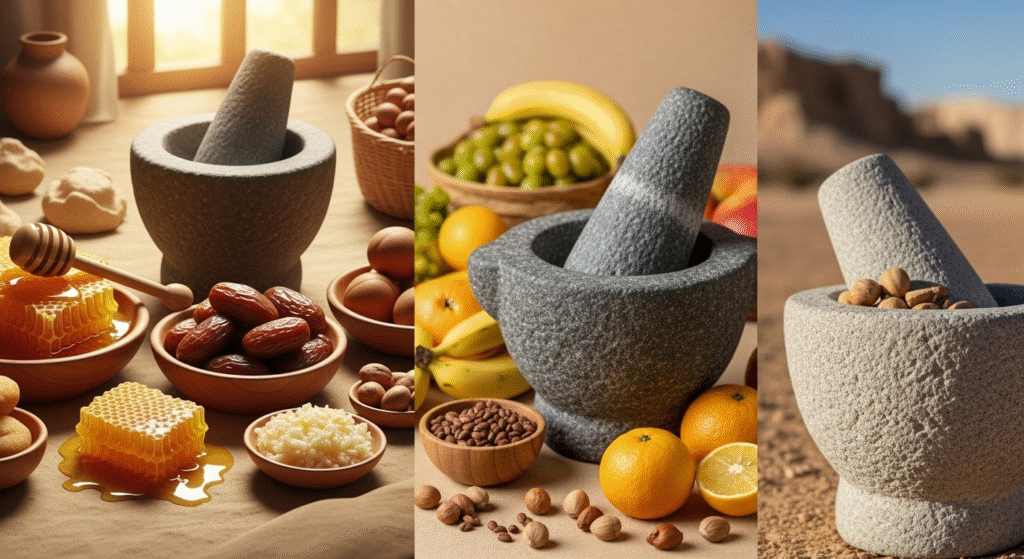
As ovens, sugar mills, and molds improved, desserts became more refined. By the 18th century, cooks had better tools, which led to lighter cakes, custards, and molded sweets.
Takeaway: The evolution of dessert recipes mirrors technological progress — what could be baked, whipped, or cooled defined what could be made.
7. Some Dessert Names Are Misleading
German Chocolate Cake isn’t from Germany. It’s named after an American baker, Samuel German, who created a type of dark baking chocolate.
Takeaway: Dessert names often tell quirky stories about invention and misunderstanding.
8. Dessert Traditions Continue to Evolve
Classic puddings, pies, and tarts are now being reimagined with global ingredients and modern techniques. Still, traditional recipes survive when families keep making them — passing flavor and memory from one generation to the next.
Takeaway: Every time you bake or share a dessert, you keep its story alive.
How You Can Use These Facts
- Share dessert origins with your guests to make each treat more meaningful.
- Try classic recipes using older methods or ingredients for fun.
- Experiment with modern twists that still honor tradition.
Related Recipes on FlavrPins
Looking for something savory before your sweet treat? Try:
- Honey Sriracha Brussels Sprouts
- 10 Vegetable Soup Recipes
- Soft Tofu Recipes With Rice
- Crack Green Beans Recipe
- Lipton Onion Soup Meatloaf Recipe
- Smash Burger Sauce Recipe
- Canned Green Bean Recipes
- Southern Mac and Cheese Recipe
Tips & Variations for Dessert History Lovers
Tips:
- Pick one dessert and trace its journey — it’s fun and informative.
- Try making a recipe using natural sweeteners like honey to mimic old methods.
- Present each dessert with its background story — guests love learning while eating.
Variations:
- Compare desserts from similar cultures (like baklava and Greek galaktoboureko).
- Give a classic dessert a new flavor twist while keeping its core style.
Substitutions, Storage, and Serving Suggestions
Substitutions:
- Swap sugar for honey, agave, or maple syrup for a softer sweetness.
- Replace butter with shortening or coconut oil for different textures.
- Use nuts or seeds that fit your taste — almonds, pistachios, or walnuts.
Storage & Make-Ahead Tips:
- Many traditional desserts taste better the next day as flavors meld.
- Keep syruped or frosted desserts separate until serving to avoid sogginess.
- Store in airtight containers at room temperature or refrigerate if dairy-based.
Serving Suggestions:
- Serve with a small note or card sharing the dessert’s origin.
- Pair with tea, coffee, or spiced milk for a full cultural experience.
- Garnish with simple touches — powdered sugar, nuts, or fresh fruit.
Final Thoughts
Desserts carry more than sweetness — they carry history. From sugar’s rise as a luxury item to the sharing of techniques across empires, each classic dessert tells a story. The next time you enjoy a slice of cake or bite of pastry, you’re tasting a piece of the past.